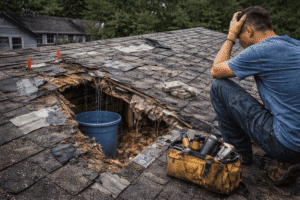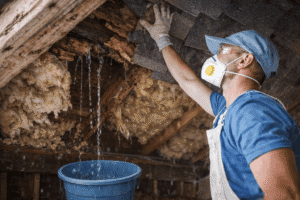
Roof replacement is often done under pressure—after a storm, during an active leak, or when time and budget are tight. In these situations, some homeowners move forward without pulling a permit, assuming it isn’t required or that it won’t cause issues later.
While skipping a roofing permit may feel like a shortcut, it can create serious problems long after the work is finished. From insurance claim complications to resale delays and failed inspections, unpermitted roof replacements often end up costing far more to resolve than doing things correctly from the start.
This guide explains what happens when a roof is replaced without a permit, why it creates long-term risk for homeowners, and what steps can be taken if the work has already been done
Why Some Homeowners Skip Roofing Permits
Most homeowners don’t intentionally ignore permit requirements. In many cases, they’re told by a contractor that a permit “isn’t necessary,” or they assume that replacing an existing roof doesn’t trigger the same rules as new construction.
Emergency repairs, tight timelines, and lack of clear guidance all contribute to this decision. Unfortunately, these assumptions often lead to problems that surface later—when inspections, insurance claims, or home sales are already in motion.
What Happens If You Replace a Roof Without a Permit?
Replacing a roof without a permit doesn’t always cause immediate issues. The roof may look fine, function properly, and go unnoticed for months or even years. Problems usually appear when the work is reviewed as part of another process.
Failed Inspections and Code Violations
Unpermitted roof work can fail inspections if it doesn’t meet current building codes. Even if the roof is performing well, inspectors may require sections of the roof to be opened or corrected before approval is granted.
This can lead to unexpected delays, added labor costs, and rework that wouldn’t have been necessary if the project had been permitted from the start.
Problems When Selling or Refinancing Your Home
Unpermitted roof replacements often come up during home sales or refinancing. Inspectors, buyers, or appraisers may flag the work, leading to requests for repairs, price reductions, or additional documentation.
In some cases, unpermitted work can delay closings or complicate financing approvals, adding stress to what is already a time-sensitive process.
Insurance Claim Issues After Storm Damage
Insurance companies often review a roof’s installation history when evaluating claims. If storm damage occurs and the roof was replaced without a permit, insurers may question whether the roof meets local code requirements.
This can result in partial claim approvals—or denials—especially when homeowners assume insurance covers roof replacement without fully understanding policy limitations.
Can You Be Fined for an Unpermitted Roof Replacement?
Yes. In many jurisdictions, replacing a roof without a permit can result in fines or enforcement actions once the issue is discovered. Homeowners may be required to apply for permits retroactively, pay penalties, and schedule inspections after the fact.
In some cases, inspectors may require portions of the roof to be removed so the installation can be properly evaluated—adding cost and disruption to a project that was already completed.
How Unpermitted Roof Work Affects Home Insurance
Beyond individual claims, unpermitted roof work can affect overall insurance coverage. Insurers may adjust premiums, limit coverage, or exclude certain types of damage if a roof does not meet permitting or code requirements.
Understanding these risks before starting a roof replacement can help homeowners avoid long-term insurance complications.
What to Do If Your Roof Was Replaced Without a Permit
If your roof has already been replaced without a permit, ignoring the issue rarely makes it go away. Addressing it proactively is often the safest option.
When Retroactive Permits Are Required
Some local jurisdictions allow homeowners to apply for permits after the work has been completed. This process typically involves inspections and documentation to confirm the roof meets current standards.
If deficiencies are found, corrective work may be required before approval is granted.
Why Professional Documentation Matters
Working with a qualified roofing contractor can help document materials, installation methods, and system performance. This documentation is often essential when dealing with inspectors, insurers, or future buyers.
How to Avoid Permit Issues on Your Next Roof Replacement
The best way to avoid problems is to confirm permit requirements before work begins. A reputable contractor should explain whether a permit is required, who is responsible for obtaining it, and how inspections will be handled.
Asking these questions upfront helps protect homeowners from legal, financial, and insurance-related issues down the road.
Final Thoughts: Is Skipping a Roof Permit Ever Worth the Risk?
Skipping a roofing permit may save time upfront, but it often creates long-term consequences that outweigh any short-term convenience. From inspection failures to insurance complications and resale delays, unpermitted roof replacements frequently cost more to fix later.
If you’re unsure whether your roof replacement required a permit—or want to avoid costly mistakes moving forward—Contact Orca Roofing & Exteriors for an honest assessment and clear guidance tailored to your situation.