Common roofing problems often start as whispers—a minor leak after a storm, a bit of moss creeping over the ridge, or a few granules gathered in the downspout. However, when these signs are ignored, they quietly evolve into major structural failures that demand a full roof replacement. For homeowners in the Pacific Northwest, particularly in moisture-heavy areas like Bellevue and Kirkland, the stakes are higher. Our unique weather patterns mean that identifying roof problems early isn’t just a suggestion; it’s a necessity to protect your home’s structural integrity and your budget.
In this guide, we’ll dive deep into the most frequent roofing issues, explain the “snowball effect” of how they escalate, and demonstrate why being proactive is the only way to avoid the massive expense of a premature replacement.
Why Common Roofing Problems Are Often Overlooked
One of the primary reasons common roofing problems become catastrophic is their ability to remain hidden. Most people think a bad roof equals a bucket in the middle of the living room, but roof damage is often much more subtle. Issues frequently develop in the “blind spots”—beneath the shingles, deep around the flashing, or tucked away in the dark corners of the attic.
In regions like Bellevue and Kirkland, our persistent light rain can actually be more dangerous than a heavy downpour. This steady moisture can soak into the roof’s layers without ever causing a visible drip inside the house. By the time you notice a water stain on your ceiling or a sag in your roofline, the underlying plywood (the decking) may already be compromised, turning a simple fix into a total overhaul.
Identifying Roof Problems Early Makes a Real Difference
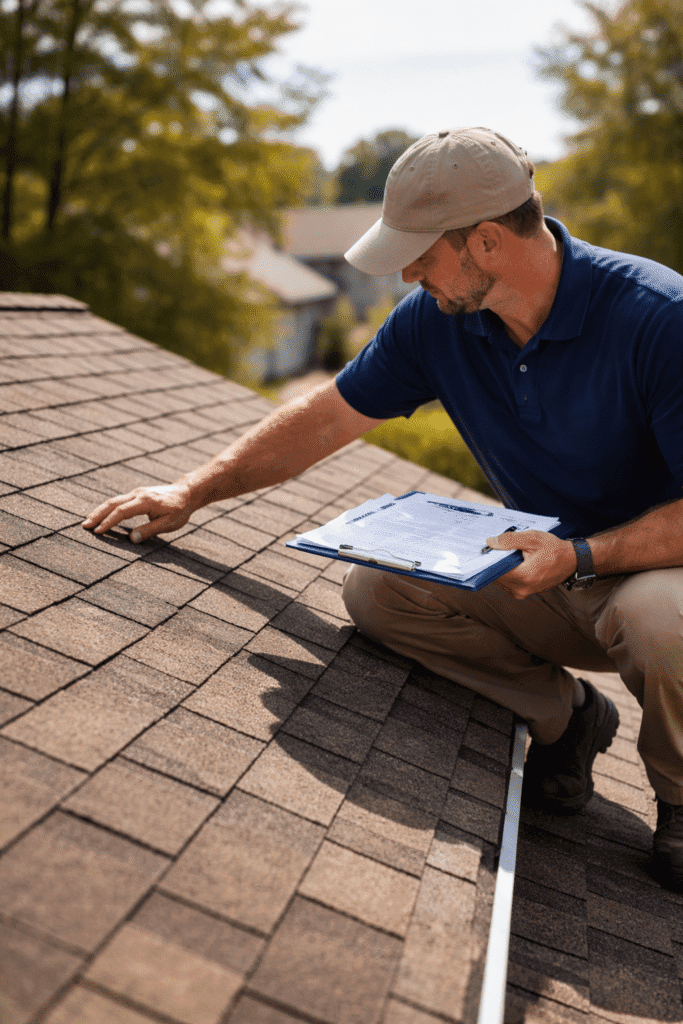
Identifying roof problems early is, without question, the most effective way to extend the lifespan of your roofing system. Early detection allows you to “quarantine” the damage. If you catch a leak in its first month, you’re likely just replacing a few shingles or resealing a vent. If you wait a year, you’re likely replacing rotted rafters and moldy insulation.
Routine inspections—ideally performed after the windstorms of autumn or before the heat of summer—are your best defense. If you aren’t comfortable climbing a ladder, our Roof Inspection Bellevue Guide provides a detailed roadmap of what a professional looks for, ensuring no hidden vulnerability is left to fester in our damp
The Most Common Roofing Problems Homeowners Ignore
Not every roofing issue feels like an emergency on day one. Here are the common roofing problems that tend to sit at the bottom of a homeowner’s to-do list—until they force their way to the top.
1. Minor Roof Leaks and Moisture Intrusion
A “tiny” leak is a myth. Any breach in your roof’s surface is an invitation for moisture to begin weakening the structural components of your home. Even a slow drip can lead to “dry rot” and dangerous mold growth. Our Roof Leak Quick Guide explains how these minor entries are often just the tip of the iceberg.
2. Damaged or Missing Shingles
The Pacific Northwest is notorious for wind and fallen debris. When a shingle is cracked, curled, or missing, the “underlayment”—your roof’s last line of defense—is exposed to UV degradation and direct water. Once that secondary layer fails, water has a direct path into your home’s skeletal structure.
3. Flashing and Vent Penetration Issues
Flashing is the metal material used to direct water away from critical areas like chimneys, skylights, and vents. Over time, the sealant around these areas dries out and cracks. These “penetration points” are the most common failure spots we see when homeowners are debating roof repair vs replacement.
4. Moss and Organic Growth
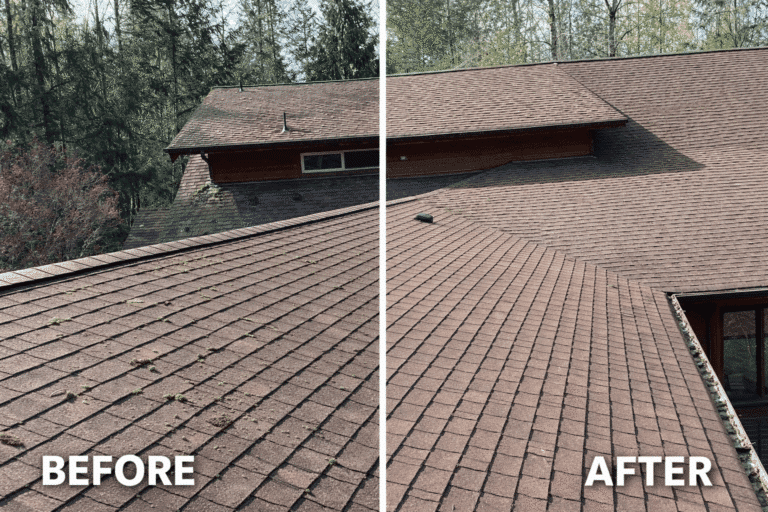
In Bellevue and Kirkland, moss is everywhere, but it should never be on your roof. Moss acts like a sponge, holding water against your shingles for weeks at a time. This constant moisture softens the shingle and allows roots to lift them up, inviting leaks through capillary action. Regular maintenance, as detailed in our Roof Cleaning in Bellevue Guide, is the only way to stop this “green carpet” from eating your roof.
How Small Roofing Problems Turn Into Full Roof Replacements
Small roofing problems rarely stay small because roofing is a “system.” When one part fails, it puts extra stress on everything else. Moisture intrusion spreads like a virus; it moves from the shingle to the underlayment, then to the wood decking, and finally into the attic’s insulation and framing.
Once the damage reaches the “decking” (the structural wood boards), you can no longer simply “patch” the roof. Nailing new shingles into rotted wood is impossible. At this stage, a full tear-off is required. Consulting a Roof Replacement Cost Guide can help you understand when a repair is no longer a viable or safe investment.
The Role of Attic Ventilation
A major factor in escalating roof problems is poor ventilation. If heat and moisture are trapped in your attic, they cook the shingles from the inside out. This makes shingles brittle and far more susceptible to damage from minor storms.
Why Roofing Problems Escalate Faster in the Pacific Northwest
Our local climate is essentially a “stress test” for roofs. The combination of persistent humidity, heavy shade from our beautiful tree canopy, and seasonal temperature shifts creates a perfect storm for roof decay.
Homes in Bellevue and Kirkland are particularly at risk for moss and algae growth. This is why working with a local specialist, whether a Bellevue roofer or a contractor in Kirkland, is vital. They understand how to design ventilation systems that breathe in our high-humidity environment, preventing the “internal rot” that leads to early replacement.
When a Common Roofing Problem Is No Longer a Repair
There is a tipping point where repairing a roof becomes a case of “throwing good money after bad.” Warning signs that you’ve crossed this line include:
- Recurring leaks in multiple locations after a repair.
- Widespread granule loss (the roof looks “bald” or shiny).
- Visible sagging in the roofline or ridges.
- Spongy or soft spots when walking on the roof surface.
If you find yourself in this gray area, our guide on Roof Repair vs Replacement provides a framework to help you decide if a repair is a smart fix or a temporary Band-Aid.
Planning Ahead: Inspections and Preventive Maintenance
The goal of preventive maintenance is simple: keep the water out and the air moving. Regular cleaning to remove debris, clearing gutters so water doesn’t back up under the eaves (creating ice dams in winter), and ensuring your attic is properly vented will add years to your roof’s life.
Final Thoughts on Common Roofing Problems
Most full roof replacements aren’t the result of a single catastrophic event; they are the result of “common” problems that were given too much time. By understanding these issues and addressing them the moment they appear, you protect your home, your family, and your financial future.
Whether you need a quick inspection from a trusted Bellevue roofer or you’re just starting to research your options, taking action today is the best way to ensure your roof lasts for decades to come.
Common Roofing Problems FAQs
What are the most common roofing problems?
The most frequent issues include minor leaks, damaged or missing shingles, deteriorated flashing around chimneys, poor attic ventilation, and heavy moss accumulation that traps moisture.
How can homeowners identify roof problems early?
Look for granules in your gutters, curling or “cupping” shingles, and yellow water stains on your interior ceilings. Checking your attic for a “musty” smell is also a key indicator of hidden moisture.
Does moss on a roof cause problems?How to choose a good commercial roofing contractor?
Absolutely. Moss holds water against the roof, which accelerates rot and allows roots to penetrate the shingle layers. In the Pacific Northwest, untreated moss is a leading cause of premature roof failure.
Can small roofing problems really lead to full replacement?
Yes. A small leak can rot the structural plywood decking over time. Once the decking is compromised, it can no longer support shingles, necessitating a full tear-off and replacement of the entire system.