Homeowners often assume roofing outcomes are predictable. Choose a reputable material, hire a contractor, and the result should be roughly the same from one house to the next.
In reality, that’s rarely how roofing works.
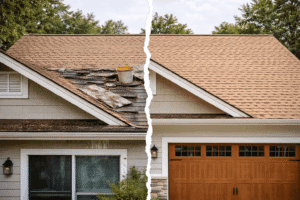
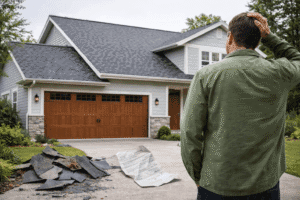
We’ve seen neighboring homes install the same roofing material—sometimes even during the same season—only to experience completely different outcomes years later. One roof performs flawlessly. The other develops leaks, ventilation issues, or premature wear.
The difference usually isn’t the product itself. It’s everything around it.
This article explains why two homes with the same roof can perform so differently, and why installation quality and planning matter far more than most homeowners expect.
Same Material Doesn’t Mean the Same Result
What homeowners assume
Most homeowners believe that once a material is chosen, performance is largely guaranteed. The logic feels straightforward: same product, same warranty, same lifespan.
What actually happens
In practice, roofing materials are only one part of a much larger system. What happens beneath the surface—often invisible once installation is complete—has a greater impact on longevity than the material itself.
That’s why many homeowners begin searching for signs of poor roof installation even when their roof is technically brand new.
Installation Quality Is Often the Deciding Factor
Why materials rarely fail on their own
True manufacturing defects are uncommon. When roofing problems appear, they’re far more likely to be traced back to how the roof was installed rather than what it was made of.
Small decisions that lead to big differences
Installation-related factors that commonly affect performance include:
- flashing details handled incorrectly
- underlayment installed too quickly or inconsistently
- ventilation systems that don’t match the home’s layout
- shortcuts taken to meet tight timelines
These choices don’t always cause immediate problems. In many cases, they quietly shorten the roof’s lifespan, making installation quality one of the most common causes of early roof failure.
Ventilation: The Difference Most Homeowners Never See
Why airflow matters more than it looks
Ventilation is one of the least visible—and most misunderstood—parts of a roofing system. Two homes can install the same roof, but if one has balanced intake and exhaust while the other doesn’t, their long-term performance will differ significantly.
How ventilation issues show up over time
Poor ventilation often reveals itself through attic moisture, excess heat buildup, or uneven indoor temperatures. Many homeowners only realize ventilation was an issue after problems appear and they start researching roof installation mistakes.
Related reading: The Key Benefits of Proper Roof Ventilation
What Happens Before Installation Matters Just as Much
The condition beneath the roof
Roof performance depends heavily on what’s underneath the visible surface. Problems arise when damaged decking, moisture issues, or structural inconsistencies aren’t addressed during replacement.
A new roof installed over unresolved issues may look perfect on day one, but it often inherits problems that surface later.
Timing, Weather, and Workflow Create Hidden Differences
Why rushed projects age differently
Roof replacements completed under pressure—whether from incoming weather, scheduling constraints, or emergency situations—often involve compromises that affect long-term performance.
Why two installs in the same year still differ
Even when two homes replace their roof during the same season, differences in drying time, weather exposure, and installation pace can lead to noticeably different outcomes years later.
Why Problems Don’t Appear on the Same Timeline
Delayed symptoms confuse homeowners
One roof may develop leaks within months, while another doesn’t show signs for years. This delay makes it difficult for homeowners to connect problems back to installation decisions.
When questions finally arise
This is often when searches like causes of roof failure or signs of poor roof installation begin—long after the project feels finished.
Local Conditions Make Outcomes Even More Uneven
Roofing isn’t the same everywhere
Climate plays a major role in roof performance. Homes in Bellevue, Seattle, and surrounding Eastside areas face higher moisture levels, heavy tree coverage, and frequent seasonal changes.
Contractors familiar with local conditions are more likely to account for these factors during installation.
Related reading: Bellevue Roof Replacement: The Complete 2025 Guide for Homeowners
Why “Same Roof” Rarely Means “Same Experience”
What homeowners usually discover too late
When homeowners compare notes years later, the pattern becomes clear. The roofs weren’t different—the decisions behind them were.
Installation quality, system planning, and attention to details that remain invisible after completion ultimately determine whether a roof performs as expected or becomes a source of frustration.
If you’re planning a roof replacement and want results that last well beyond installation day, understanding the process matters just as much as choosing the right material.
Contact Orca Roofing & Exteriors
Work with a local team that prioritizes installation quality, system performance, and long-term results—not shortcuts.